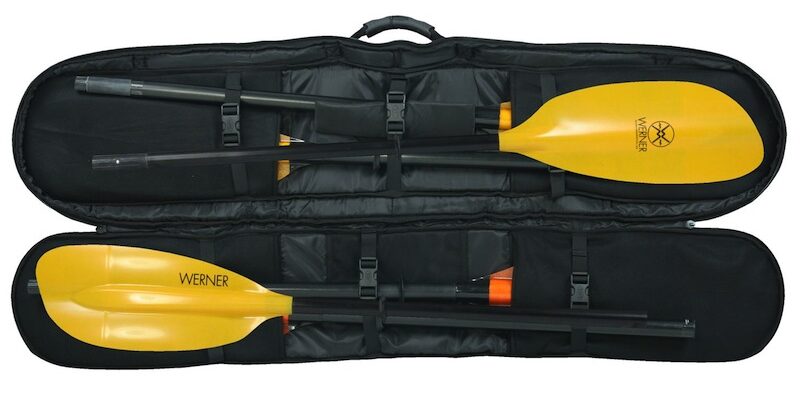
NRS Two Piece Kayak Paddle Bag
April 14, 2010 by IK World
Filed under Bags, Cases & Packs, Paddles

The great thing about using an inflatable kayak is that it is extremely convenient for traveling. Whether on a road trip or on an airplane your inflatable kayak can easily fit into its storage bag and be carried.
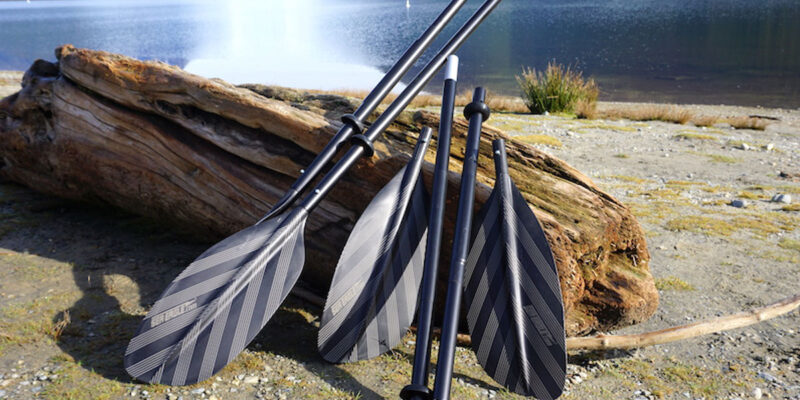
Sometimes the paddles can also fit into the kayak bag as well, but often times they do not. NRS has an excellent two-piece paddle bag that will protect your paddles and allow for easy traveling.
I purchased this paddle bag for a couple or reasons:
- to protect my paddles from getting banged and scraped during transportation
- to make it easier on myself to carry the paddles during transportation
My thoughts after getting this paddle bag…
This NRS bag is impressive. The first thing I noticed was how rugged it was. It is really sturdy and made to be really strong. It can hold up to three paddles and the fleece-lining and fleece blade pockets as well as the padded sides protects the blades from any scrapes or bumps.
There is also two inner mesh pockets and one clear outer pocket as well as a center carry handle and shoulder sling.
I personally think the NRS kayak paddle bag is awesome and worth every penny. It is perfect for traveling by airplane or by car and makes storing your paddles really easy. This bag offers the ultimate in protection for your kayak paddles and is very easily carried.
Note: Remember this bag only works for two-piece (or four-piece) kayak paddles.
The NRS two-piece kayak paddle bag is available at:
- NRSWeb.com – NRS two-piece kayak paddle bag

- Mountain Plus Gear – NRS two-piece kayak paddle bag

Find more reviews on other popular kayaking gear and accessories.
Kayak Paddle – Does Material Matter?
The most important piece of kayaking equipment is of course the kayak itself. Second to that is the kayak paddle. A kayak paddle can make a big difference as to what kind of paddling experience you have.
For many of us our first kayak paddle is simply one that we can afford. However, as you become more experienced you may start to look into the different kinds of kayak paddles and how the different materials can affect your stroke, speed, comfort and overall experience.
The most common features to look for in a kayak paddle are weight, length and ergonomics. They are usually double-bladed and are typically made from lightweight materials.
Common Kayak Paddle Materials
The most common lightweight kayak paddle materials are:
Aluminum
Aluminum paddles are one of the cheapest types but they also happen to be one of the heaviest. Many people will start off with an aluminum paddle because they are so inexpensive, but will upgrade to a far lighter material once they become more serious about their kayaking.
As you can imagine a heavier paddle makes for a much more exhausting experience. An aluminum paddle however is great for starting out and makes a good spare for down the road once you own a better paddle.
Plastic
Plastic paddles are also one of the cheapest kinds and often will come with the kayak you purchase or else can be bought for a very inexpensive price. Also popular with beginners, a plastic paddle will be fine for a recreational kayaker but most people will want to upgrade to a lighter paddle after a short while.
Fiberglass
Fiberglass is extremely popular because it is lightweight as well as inexpensive. They tend to be quite strong and can withstand a fair amount of abuse.
Wood
Similar to fiberglass paddles, a wood paddle is lightweight as well as inexpensive. Many people prefer the look of a wood paddle although they are much less commonly seen. Wood paddles are tough and rigid and can last for a very long time.
Carbon Fiber
Carbon fiber paddles are not as common as fiberglass paddles because they are much more expensive. In fact they can cost two to three times more than a fiberglass paddle. However they are very lightweight… some can even be a few ounces lighter than a similar sized fiberglass paddle. When you are making thousands of strokes, a few ounces less can go a long way as to how you feel and how fast or far you can power your kayak.
Choosing your Kayak Paddle
When you are choosing your kayak paddle I would suggest two things:
- Choose the one you can afford… you can always upgrade down the road.
- Consider how often and how far you intend to kayak.
If you will be going out more than a few times a year you might want to consider budgeting for a better paddle. Don’t go for a carbon fiber paddle unless you are REALLY serious about your kayaking experience… meaning that this is a sport that is going to become part of your daily life. They are simply too expensive for most recreational kayakers (at least in my opinion, though others may disagree).
A good fiberglass paddle is usually the best way to go and can still be purchased for a fairly reasonable price. However if you have only ever used a plastic or aluminum paddle you simply won’t know the difference unless you happen to pick up a lighter paddle in a kayaking store… in which case you may begin to think of upgrading.
All kayaking stores will sell kayak paddles. Some of the best online sources are:
Find more great kayaking tips and advice.
Yakgrips Kayak Paddle Grips
March 4, 2010 by IK World
Filed under Comfort Items, Paddles
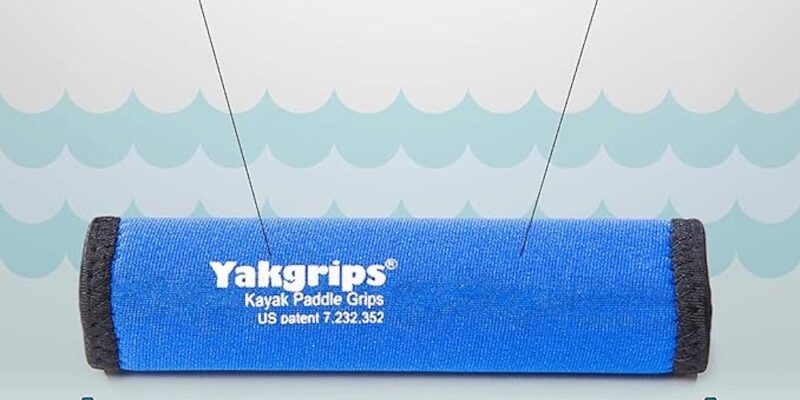
These are the absolute best invention for a kayak paddle. If you have ever suffered from blisters or calluses while paddling, the Yakgrips kayak paddle grips will help immensely.
I always seem to have a problem with getting blisters and calluses on the palms of my hands while I am kayaking. Consequently I wear kayak gloves, but in the summer my hands sweat and I am uncomfortable.
I actually never thought to look into some type of paddle grip in the past. Once the Yakgrips hit the market they become instantly huge and very popular with all types of kayakers.
These Yakgrips not only help protect your hands but they also give you a better grip which makes your paddling experience far more efficient. Take it from me, when your hands are comfortable you can paddle a lot further with less fatigue and with a lot more joy.
There are other grips that can be put on kayak paddles but the Yakgrip is by far the best and the most comfortable. The Yakgrips are:
- simple in design
- very light weight
- easy to install or remove
- available for take apart shafts or one piece shafts
- come in a variety of colors
This is one kayak accessory that I really feel every single kayaker will love. I personally will never be without these. In my opinion this very simple hand grip makes a very positive difference to a short or long paddling excursion.
The Yakgrips are very affordable and the absolute best price I have found on these is at Amazon.com For more details view the Yakgrips Kayak Paddle Grips at Amazon.
4-Piece Kayak Paddle
Most kayak paddles will either be all one piece or very commonly will come apart in two pieces. These are fine if you are using a hard-shell kayak or if you are only transporting your paddle in your vehicle.
However one of the great advantages of using an inflatable kayak is that you can usually take it traveling with you or possibly even carry it in a pack on your back. If you are planning on doing some traveling you will want to have a 4-piece kayak paddle.
There are many different types of kayak paddles and they have quite a large price range. I am not a paddle expert in any way. I know that kayak paddles can be carbon or fiberglass, can have different shapes and sizes that provide different comfort levels, control and can help reduce fatigue. However that is basically where my knowledge ends.
That being said I do know that when I am traveling with my inflatable kayak I only want to bring a 4-piece paddle with me as it is so convenient to pack up and head out.
It is not always easy to find a really good quality 4-piece paddle but there are several decent ones available that will be more than suitable for any expedition.
Below are a few good recreational 4-piece paddles that I have found to work well for traveling and convenience that come at a decent price:
Sea Eagle AB40 or AB30 4 Part Paddle– This one is the best price and sells for roughly $95. It has a fiberglass reinforced blade and weighs just over two and a half pounds (excellent for traveling). Its asymmetrical spoon blade design supposedly requires less gripping force and less effort per stroke. It comes in two different sizes… the AB40 (8’) or the AB30 (7’ 10 “).
Aqua-Bound Sting Ray 4-Piece Paddle
– This paddle comes in three different sizes. It is fairly basic but in my opinion works fine and is a good price at roughly a hundred bucks. It has an aluminum shaft and the blade is a blend of fiberglass reinforced thermoplastics. It is lightweight and durable.
- Aqua-Bound Sting Ray Carbon Shaft 4-Piece Paddle
–
If you don’t mind spending an extra 40 dollars this is a much better paddle. It has a carbon shaft and fiberglass-reinforced nylon blades and supposedly delivers a high strength-to-weight ratio. Also the shaft has a slight flex which really does help with paddling comfort. This one also comes in three different sizes.
If you have any expertise or knowledge on the different types of kayak paddles, please leave a comment below as I would love to hear from you. I am in the process of trying to learn more about kayak paddles and with such a massive range in prices for them I would assume the quality and performance they give are hugely different as well. Please feel free to educate me!
Want to travel with a kayak? Check out our list of Best Inflatable Kayaks for Traveling.
Important Accessories for an Inflatable Kayak
February 10, 2010 by IK World
Filed under Kayaking General
If an inflatable kayak has become your #1 self-powered mode of transportation, recreation and fun then there are a few accessories that you will need to have.
Most of the accessories listed below are essential to have with you at all times, but some you will only ever need if doing a longer excursion.
Accessories you will likely need at some point while using your inflatable kayak:
- Bilge Pump – I only ever bring a bilge pump with me if I plan on being in choppier water. It is typical for a little water to get in my kayak while paddling but I have never needed the bilge pump when flat water kayaking. However if there is a chance that you may tip over or that you will be in stronger waves or whitewater then a bilge pump is a very handy accessory to have. Most kayak outfitters will tell you to have one with you at ALL times.
- Boat Sponge – I really LOVE the boat sponge. This is a fantastic accessory for mopping up uncomfortable wetness in the kayak. I didn’t use a boat sponge for several years but now that I have one, I will never go out again without it. It is the most convenient little accessory you could get for your inflatable kayak and it costs next to nothing.
- Cell phone – This is a personal choice of course, but I rarely go kayaking without it. Sometimes I am kayaking out of cell phone range but I still seem to always have it handy. I have never actually used it while kayaking but it seems like a good safety item to bring… just in case.
- Comfortable Seat – Not all inflatable kayaks come with a supportive and comfortable seat. If you don’t find your regular kayak seat to be as good as it should be, I would highly advice looking into a good supportive kayak seat as it makes a massive difference in your overall kayaking experience – not to mention will save you from many aches and pains.
- Dry Bag – If you don’t have a dry bag then you won’t be able to bring anything along with you on your kayaking trip. Dry bags come in all shapes and sizes and can cost very little. As most of my kayaking trips are one day recreational types of adventures I mostly use my dry bag for food, extra clothing, my camera, my cell phone, my repair kit and my car keys.
- Foot Pump – Obviously if you have an inflatable kayak you will need to be able to pump it up. Which type of pump you use will be personal preference but I definitely prefer the foot pump. It is easy to use, weighs next to nothing and takes a lot less effort than a hand pump. Electric pumps can be good too, but even if you use one you will want a foot pump to top it off.
- PFD – A lifejacket is essential for kayak safety and all water safety. I actually very much dislike wearing my lifejacket on hot sunny days while kayaking on a calm lake. However you cannot deny that ultimately anything could happen, including tipping your kayak and bumping your head, so it is very necessary to always wear one.
- Repair Kit – If you have an inflatable kayak, it would have come with its own repair kit. Keep it with you in your dry bag at all times as you never know when you might need it.
- Rope – I don’t always bring rope with me, but it can be an important safety accessory. It is very easy to keep rope stored in your kayak so you might want to add it to your kayaking checklist before you go out for the day. If you are doing an overnight trip I would definitely recommend bringing rope with you.
- Whistle – Store a whistle in your repair kit or you can attach it to your PFD. This is a very easy little accessory to acquire and one that every kayaker should own. Do not go kayaking without a whistle, it could save you in a stressful situation.
Of course there are lots of other accessories you could bring with you, especially some other safety items but these are the main ones to be aware of. The most important thing to remember is that if you are prepared for anything then you can relax and enjoy your paddling experience.
Check out our list of the top kayaking online retailers for the best places to suit up.
Paddle Drip Rings – Great Paddle Accessory
Most kayak paddles come with rubber drip rings. These help to catch the water drips before they dribble down to your hands.
For some reason when I kayak the water still drips onto my hands and arms even though there are the standard drip rings attached. Granted you will get some water on you while you paddle, I realize this, but I feel that I get a little more than normal.
I have been told it has to do with the way I paddle. I have practiced and think I have my stroke down pretty good with all the correct movements but I am still prone to getting wet. I don’t mind when it is hot outside but in cooler weather it can be a big pain.
Consequently I decided to search for some extra paddle drip rings and I think have found just the right ones. It may seem like overkill to add more onto my paddle, but if it helps to keep the drips from reaching my hands then I am willing to try. Also it occurred to me that perhaps the standard drip rings that were already on my paddle simply weren’t very good.
The drip rings I chose to get are described as being “deep convex and flexible rings”. They are good for paddle shafts with a 1” diameter or larger and are easy to put on. They are very inexpensive and I think are going to make a huge difference for me.
If you would like to stop the water drips while you paddle as well then check out these paddle drip rings
for more information.
Inflatable Kayak Glossary of Terms
December 23, 2009 by IK World
Filed under Kayaking General
In your research on inflatable kayaks you may have come across certain terms that are slightly confusing. Especially if you are new to kayaking it is nice to know what all the words mean when reading the kayak descriptions.
Below is a list of important inflatable kayak terms – most of which are also terms you will come across for all types of kayaking. If there are any terms that you know of that you see missing, please let me know and I will add them to the list. Read more
Need Kayak Gear?
The season’s are changing, the leaves are falling and depending on where you live it may be getting mighty cold… it certainly is in my neck of the woods. It is time to figure out if you have everything you need for some cold weather paddling.
It has just come to my attention that Backcountry.com is offering an exclusive 20% off coupon that I would like to share with all of you. I am a big fan of great deals – as I’m sure you are as well and when opportunity knocks, I like to take it. Hopefully this coupon will help you get set up with the right gear so that we can all continue our kayaking adventures throughout the winter.
Click here to go to Backcountry.com and use coupon code 4L0-2-2LQLP for the 20% off![]()
Exclusions: Discount does not apply to gift certificates, lift tickets, Arc’teryx, Black Diamond, Burton, The North Face, Western Mountaineering, Skis, Ski Boots, Ski Bindings, Snowboards, Snowboard Boots, Snowboard Bindings, Avalanche Gear, or Aire Inflatables. If an item is already on sale you’ll receive the better of the two discounts.
OR find great reviews on popular kayaking gear.
Paddling Techniques
Having good control of your kayak will come from coordination and balance as opposed to brute force. Using the right paddling techniques will help to ensure that your ride is smooth, enjoyable and also fairly dry (unless you decide to brave the whitewater rapids).
Many people mistakenly believe that power when paddling a kayak comes from the arms. The truth is that the strength actually comes from the torso (trunk rotation) first, leg pressure second and the arms third as merely a bridge between the power source and the paddle.
As a beginner kayaker, there are three main paddling techniques that are essential to learn before you begin your ride. The forward paddle, the reverse paddle and of course turning the kayak. All three of these are very easy to learn and will
definitely help you to smoothly make the transition into a seasoned kayaker. Read these notes and then get on the water, start practicing and have some fun! Remember you will paddle faster, easier and further if you perfect your paddling form.
Forward Paddle
(front to back)
This will be your most commonly used paddle stroke. Be sure that you are sitting up straight in the kayak, don’t slouch back. Also make sure that your feet are right up against the foot rests in your kayak as this will help you to have a more powerful stroke. Now relax your grip so as to avoid wear and tear on your hands (a good pair of kayak gloves like the NRS Paddlers Glove
will do wonders to stop painful scrapes and blisters). You want to place the paddle in the water close to the kayak around where your feet are and make the stroke deep. Pull backwards and you’ll be gliding through the water.
Reverse Paddle
(back to front)
You will not use this paddle as much as the forward paddle but it is just as important to master. For this technique you want to use the back of the paddle blade. Instead of inserting the paddle near your feet (as in the forward paddle), put the paddle in the water near your hips instead. Now push the paddle toward the trunk of your kayak while turning your torso. If you want to have more power with this stroke reach further behind your hips when placing the paddle in the water. A key point to remember here is to keep your elbows bent in order to avoid injuries and pull the blade out of the water when it is even with your knees. Always keep checking over your shoulder behind the kayak to make sure that there is nothing in your way.
Turning the Kayak
You can imagine why it is extremely important to learn how to turn your kayak properly. Failing to do this could cause some pretty unnecessary crashes. The most effective way to turn a kayak is to do a deep reverse stroke (back to front) on the side of the direction you want to turn. Many people will do the opposite and do a forward paddle on the opposite side of the direction you want to turn but this is not nearly as effective.
After learning these three strokes you are ready to go out and enjoy the water.
Inflatable Kayak Paddle Lengths
Buying a new kayak is very exciting and often times within that purchase the length of the paddle gets overlooked. Knowing what length of paddle you’ll need for your inflatable kayak can be difficult when just starting out and is really quite a personal choice. Some people will prefer longer paddles that can offer a more laid back and relaxed stroke. Others prefer shorter paddles that can be more powerful and easier to handle in rougher water conditions. Your height, strength and type of kayaking you will be doing are all factors in choosing the right paddle. Below are the basics you need to know before purchasing your inflatable kayak paddle.
Inflatable Kayak Paddles are typically between 210 and 240cm long. The most common length used is 230cm for average height paddlers who will be using a relaxed style of paddling. If you are a more aggressive paddler that will be using a variety of different strokes and much more speed, than a shorter length of between Read more