New Sea Eagle Electric Turbo Pump
Sea Eagle has just come out with a new electric turbo pump that is able to pump up their inflatable boats and kayaks in a few short minutes flat.
There are a few things that I like about this electric pump that make it unique from other electric pumps on the market.
No Over-Inflation Worries
It allows you to set the exact pressure amount for your kayak or boat and when it reaches that set pressure it automatically stops. It does this by pumping your boat in two stages. At first it will quickly inflate it with a high pressure blower and once it gets near the pressure point it switches to a piston pump in order to finish off and fully pressurize the hull. This means that you do not have to worry about over inflating your inflatable and possibly popping it.
With other electric pumps over-inflation is always a concern and it is recommended that if you use an electric pump to stop just before it is fully pumped up and then to top it off with a hand pump or a foot pump to finish.
However with the Sea Eagle electric turbo pump this is no longer an issue and it is the only pump you will need.
Battery Pack Option
I love that this electric pump comes with the option of purchasing a portable battery pack and charger. That means that you can inflate your boat right at the waters edge where it is convenient and you do not have to hook it up to an external power source such as your vehicle.
The battery pack costs a little extra but I think it is completely worth it as it gives you the versatility and convenience of being able to pump it up absolutely anywhere.
Sea Eagle states that with a full battery charge you can easily inflate their largest boat several times over.
Specifics
- Easy Configuration – set your pressure and press ON.
- Stops Automatically – the pump stops when it reaches the set pressure amount
- Very Fast – this electric pump will inflate a Sea Eagle 12.6 boat in less than 5 minutes and inflates a kayak in even less time
- Two Stages – quickly inflates with a high capacity blower and then switches to a piston pump to pressurize the hull
- Optional Battery Pack – portable lead battery and battery charger, no need for external power source
- Accessories Included – includes alligator clips, hose, adaptors, and carry bag
- Power Supply – 12V DC
- Maximum Pressure – 14.5 PSI/1 Bar
- Weight – 4 lbs.
- Dimensions – 12” x 4” x 6”
- Warranty – covered by their two part guarantee (30 day return policy for a full refund excluding shipping and 3 year warranty against manufacturer’s defects)
- Price – available with alligator clips for $149 for use with an external 12 volt battery, or with the battery pack for $199
For an inflatable boat this is the best electric pump I have yet to see on the market. It is not cheap but it is the most convenient, versatile and safe option I have seen so I think well worth the money if you want an electric pump. The option of the battery pack, the good warranty, the two stage inflation process and the fact that you don’t have to worry about over-inflating your boat makes it worth every penny.
Personally I don’t mind using my little foot pump for my inflatable kayaks and I would think that the majority of people who have an inflatable kayak will choose the less expensive foot pump option. However I can understand the convenience of using this electric turbo pump especially if you own a larger inflatable boat in which case I think it would be almost a necessity.
The electric turbo pump with optional battery pack can be found at SeaEagle.com.
Steps to Take Before Buying an Inflatable Kayak
May 2, 2011 by IK World
Filed under Essential Tips
If you have an interest in purchasing an inflatable kayak but haven’t quite made your decision yet there are a few steps you can take in order to make sure you are making the right choice.
Inflatable kayaks can vary greatly on all levels, including in price. Doing just a little bit of research will help you to feel comfortable with your decision.
Below are 4 easy steps you can follow to make sure an inflatable kayak is right for you as well as questions to ask yourself before the actual purchase.
Step 1 – Try Kayaking First
If you have already experienced kayaking then you do not need to worry about this step. However if you haven’t then it is wise to try it out first and see if you enjoy the sport of paddling. Paddling a kayak can be quite different than paddling a canoe and you can easily experience kayaking in two ways:
- Go out with a friend who already owns a kayak or see if you can borrow their kayak for the day… this is especially helpful if they own an inflatable kayak.
- Rent a kayak for a couple of hours – Depending on where you live, it may even be possible to rent an inflatable kayak.
This is a good way to see if you and your family enjoy paddling as well as if you would incorporate this recreational activity into your life.
Step 2 – Take a Kayaking Lesson
By signing up for a kayaking lesson you will learn some excellent and useful safety tips as well as different kayak strokes. If you don’t take a lesson before you purchase your kayak it is recommended that at some point down the road you sign yourself up for at least a one hour lesson just to learn the basics and know the safety protocols. You can also learn a lot online but first hand experience is always best.
Step 3 – Watch YouTube Videos and Read Reviews
Although some local kayak stores do carry inflatable kayaks, they usually do not carry all of the models. Therefore it can be difficult to really get a feel for the inflatable that you may like. Without actually seeing the model in person, the best way to get a feel for it is to:
- a) Look for pictures and reviews online (such as on our website!)
- b) Watch YouTube videos to get a clearer idea of what the inflatable kayak looks like, as well as the setup and how it paddles on the water. This is a great way to see regular people using their inflatable kayaks and can give you the most real life experience without actually being there with the kayak yourself.
Step 4 – Compare the Specs
Once you have read the reviews and seen pictures, you can go to our Inflatable Kayak Comparison Charts and really compare the specs of each model. This will help you to easily compare between several different models as well as to get an idea of the differnt size, weight, load capacity, style and price range of all the different makes and models.
Questions to Ask Before Choosing Your Inflatable Kayak
If you are now sure that an inflatable kayak is right for you then you will need to ask yourself these 4 questions:
1. How often will you go out kayaking? Once you determine how often you will likely paddle, this will help you to decide how much you want to spend. If you just want to take it out once or twice during the summer then you probably don’t need to invest much money into your inflatable. However if you plan on some regular use then it would be wise to spend at least a little more to get a good quality kayak that will last you a long time.
2. Will you be kayaking mostly solo or tandem… or with your family? If you want the option of bringing along a friend or family member within your own inflatable kayak then you will need to look at tandem models or convertible models (where there are two or more seats but the seats can be adjusted to be paddled solo or tandem).
3. How much weight can you carry? Weight can vary greatly so if you will be paddling mostly solo then it is wise to make sure you get a model that is easily carried by you alone.
4.How much weight do you need the inflatable kayak to carry? Load capacity can also vary greatly. Therefore take into consideration your own weight as well as the weight of any friends or family members that will be joining you. Also take into consideration how much gear you will need to bring along, especially if you plan to do multi-day trips.
Paddling an Inflatable vs. a Hard-Shell
Paddling an inflatable kayak is really quite similar to paddling a hard-shell kayak. Depending on the model you choose it may have a slightly different feel as they tend to be a little wider and more stable but in general the feeling is the same.
If you have already tried kayaking in a rigid kayak then you will have no problem with an inflatable. The better quality inflatable kayaks will paddle better than the cheaper inflatable’s just like the better quality hard-shells will paddle better than a cheap hard-shell.
Which one you choose will totally depend on your needs, your budget and how much time you plan to invest in kayaking.
To begin searching for inflatable kayaks see our Top 5 Inflatable Kayak Reviews.
Inflatable Kayaking 101 – Part 2
April 17, 2011 by IK World
Filed under Essential Tips
Welcome to part 2 of the inflatable kayaking lessons for beginners.
This post will cover the last two beginner inflatable kayaking tips and advice including:
- What you need to know for your first time out in your inflatable kayak
- As well as which important gear and accessories you need to have with you
Beginner Inflatable Kayaking Lessons # 4 and # 5
Lesson # 4 – Your First Time Out
If your experience with inflatable kayaking is anything like mine, your first time out will be very exciting. This is when you are going to figure it all out and realize how easy, convenient and fun it is to setup and use.
I have three pieces of advice for your first time out:
1. Be sure to really read over the instructions that come with the model you purchased before you go out and also bring them with you. Each model sets up a little differently and you will need your instructions the first time you setup.
Do not make the same mistake I did… The first time I took my Sea Eagle FastTrack out I never even looked at the instructions (thinking I new my stuff) and didn’t realize that the skeg needed to be attached before inflating the kayak. I had to deflate and start all over. It doesn’t take much time to inflate them but still it is frustrating if you need to do it twice!
2. Pick a nice sunny day with very little wind. For your first time out inflatable kayaking you want to be comfortable. If you are battling winds or possible rain, the experience becomes more difficult. I think it is good to first get your feet wet and really get comfortable with how your kayak feels and your paddle strokes first before taking on heavy surf or strong whitewater rapids. You may even want to watch a few youtube videos before heading out to get an idea of how to do proper paddle strokes.
3. Go with a friend. Paddling with a friend is a lot of fun and if you are new to inflatable kayaking it can be great to have support with you. If however you do go out alone, play it safe and make sure to tell someone where you are going and when you plan to be back.
Lesson # 5 – Gear Up
If you are just heading out to paddle for the day you do not need much gear but there are a few things you will want to have with you such as:
- PFD – A lifejacket is your most important accessory and should always be worn. Make sure all your paddling partners are wearing a PFD as well… including your dog.
- Repair Kit – As mentioned before it is important when paddling any type of inflatable boat to always bring your repair kit along with you.
- Dry Bag – Dry bags are very inexpensive and are critical to storing any goods that you do not want to get wet such as your keys, cell phone, food, extra clothes, etc. For most day trips you will only need one dry bag but if you will be bringing a lot of gear with you or doing multi-day trips then you may need more. Dry bags come in many different sizes.
- Pump – Of course you will need a pump to inflate your kayak. Some models will come with a pump already while with others you will need to purchase one separately. I have always used a standard foot pump and found it to work great. Other options are a hand pump or an electric pump.
- Bilge Pump – I would recommend always having a bilge pump with you. A bilge pump easily pumps water out of your kayak if you are flooded by a wave or tip over. You may never have to use it but it is a very inexpensive safety precaution that is worth having.
- Paddle – Of course you need a paddle. If your kayak doesn’t come with one you will need to purchase one separately. They come in different styles, sizes and prices. A little research will help you choose a paddle to best suit your height as well as the type of paddling you will be doing most.
- Helmet – A helmet is needed for whitewater kayaking only
Those are the necessities but there are many other luxuries that you may choose to use as well depending on your needs as well as the weather. These include gloves, dry top, wet suit, paddle drip rings, yak grips, hat, boat sponge, water shoes, water socks, waterproof camera or audio supplies, anchor system, etc.
Go Out and Have Fun….
Hopefully the above tips and advice will help you feel more comfortable with getting started in the inflatable kayak world. Besides continuing with some paddle stroke practice, after you have been out once or twice you will feel like an old pro.
If you are still searching for the right inflatable kayak or inflatable canoe model please see our inflatable reviews to view the different model categories that you are able to choose from.
Inflatable Kayaking 101 – Part 1
April 16, 2011 by IK World
Filed under Essential Tips
If you are new to inflatable kayaking there are a few things you will need to know.
I will go through 5 basic lessons to help get any person started and comfortable with the inflatable kayak world.
These lessons will be broken up into two separate posts with this post containing the first three lessons which will include how to choose your inflatable kayak, proper care and repair as well as storage and transportation.
The second post will contain the last two lessons which will be what to know for your first time out and how to properly gear up.
Beginner Inflatable Kayaking Lessons # 1 – #3
Lesson # 1 – Choosing your Inflatable Kayak
If you have done any research up to this point you will have noticed that there are a lot of different models to choose from. Which one you ultimately end up buying will depend on 5 things:
1. Type of Water
Which type of water will you be paddling in most? For example, either lakes, rivers, or on the ocean. Some models are able to crossover and be paddled on more than one type of water but many are specialized for certain types of paddling.
2. Size
Do you want a solo kayak, a tandem kayak or a family sized model? This will depend on if you plan to mostly be paddling solo or want the ability to bring along a friend or have room for extra gear.
Many tandem inflatable kayaks have the versatility of being able to move the seats to be paddled solo as well which can be very convenient.
3. Weight Capacity
Each different model has a different weight capacity. It is worth considering how much weight you need your kayak to be able to hold. It is practically impossible to sink an inflatable kayak by weight alone but if you exceed the model’s weight capacity the performance will become sluggish and frustrating.
Therefore when looking at the different models consider your own weight, the weight of possible family and friends that may paddle with you as well as how much gear and cargo you will need to bring with you.
4. Weight of Kayak
The actual weight of inflatable kayaks and inflatable canoes can vary greatly. If you will be mostly paddling solo consider how much you are easily able to lift yourself.
Weight may also be an issue if you plan to bring it with you traveling or need to be able to carry it by foot so make sure you really check out the specs of the different models before you buy.
5. Price
There is quite a large range in pricing for inflatable kayaks starting around $100 and going right up into the thousands. As with most things the quality of inflatable kayaks tends to get better as the price goes up.
However that does not mean you have to dish out for a top of the line price tag in order to get a decent model.
The average range for a good quality inflatable kayak that will last a very long time and give a decent performance is anywhere between $300 and $1500.
How much you spend will depend of course on what you can afford as well as how often you will use your kayak.
The cheaper models work great for newbies, kids, camping or to be used as a second inflatable for friends or guests.
However if you are able to invest in a slightly better model you will get much more of a real ’kayaking’ experience complete with good tracking, good speed and rigid construction as well as a good warranty.
Lesson # 2 – Proper Care & Repair
What I love most about inflatable kayaks is that there is not much you have to do with it once you have it. Proper care is a very simple three step process:
- Purchase a bottle of UV Protectant spray which is available at just about all inflatable boat stores. Spray this on your inflatable every few months (while in use) to help protect the material from UV damage and exposure to the elements. This will keep your kayak material strong and greatly prolong its life.
- After use, dry out your inflatable with a towel and store in a dry, cool place. If your kayak is stored for any great length of time with a lot of water or moisture left in it then it may end up growing mold or mildew. Simply towel dry after each use and this will not be a problem.
- If your inflatable ends up with grass, dirt, oil, or any other tough stains simply use an inflatable boat cleaner to remove. You can even just use a regular all purpose cleaner that you have at home if it is safe and natural. Be careful of harsh chemicals as this could weaken your kayak material.
It is possible that at some point you may need to repair your inflatable kayak… this will depend on the amount of abuse it takes. I personally have never had a rip or a leak in my kayak material after several years of use so repairs are truly few and far between.
A cheaper model will not have the same strong material so may need repairs more often. The good quality brand names tend to make models with reinforced and strong material making leaks far less possible.
Each inflatable boat will come with its own repair kit. This repair kit is easy to bring along with you and should be a staple in your dry bag each time you go out. Read the instructions upon receiving it so you are familiar with how to use it if you ever need to.
Lesson # 3 – Storage and Transportation
Inflatable kayaks are versatile and convenient for two main reasons:
- They are easy to pack up and store in small spaces
- They are easy to transport to just about anywhere you want to go
Storage is easy, you have two choices… You can completely dry it out, fold it up and pack it into its storage bag (each model comes with its own storage bag), then store it in your garage, in a closet or in any dry and cool space. Or you can leave it inflated and store it in a dry, cool space or else hang it up outside or in your garage on a kayak rack.
As for transportation, inflatable kayaks and inflatable canoes are known to easily transport in the trunk of your car, in the back of your vehicle or RV, or if you choose to leave it inflated you can tie it down on the roof of your vehicle. Some models are light enough to be checked on an airplane while others are so light you can even carry them in a backpack by foot or by bicycle. They are perfect for bringing along everywhere!
The next post will cover the last two beginner inflatable kayaking lessons to help you get started on the right foot.
To search the different inflatable kayak categories please see our inflatable reviews.
NRS Rafts – For the Ultimate Whitewater Adventure
NRSweb.com
has the largest selection of quality inflatable rafts for whitewater use.
Rafts offer a whole different kind of experience than a kayak does and is not always for the faint of heart. The thrill you get from rushing the whitewater rapids can leave you breathless and exhilarated.
Although there are many different models on the market there is no question that the selection of NRS rafts are the best. They offer top quality whitewater rafts from some of the most respected companies in the industry such as:
- AIRE
- NRS
- Tributary
River rafting trips throughout the world are gaining in popularity as many people look for a dynamic and fun adventure that they can enjoy outdoors. For the daredevils who wish to make whitewater rafting a regular part of their life they may want to purchase their own whitewater raft.
There are many benefits to rafting including:
- Adrenaline Rush – This kind of rush is not for everyone but for those who enjoy it, there is no denying that once you have done it one time you will be hooked. Taking on a river with its twists and turns, rocks and whitewater is a challenge in itself. Making it to the end point will bring a complete adrenaline rush as well as a smile to your face.
- Nature – In order to enjoy this kind of extreme sport you need to love the outdoors. Many great rivers are set against the most beautiful backdrops and it is not uncommon to see wildlife along the ride. The beauty of nature in itself can be just as exhilarating as the adventure.
- Excellent Workout – A whitewater rafting trip is definitely a physical challenge. Often while tackling a roaring river, giving up and taking a break is not an option. This type of paddling gives you a full body workout and your strength and endurance will be tested… especially in class III rivers and above. If you are up for the challenge, there is no better workout.
- Team Spirit – Most whitewater rafting adventures are done with a team. Whether your team is your family or new or old friends there is no doubt that you will be working as a group in order to achieve a common goal. This is a fantastic way to enjoy some good old team fun.
- Stress Release – Doing this type of extreme activity leaves no time for stress or mind chatter. You must focus on the task at hand and consequently river rafting makes for a great escape from day to day realities and stress.
A whitewater rafting experience can benefit you on every level and be fun for people of all ages to enjoy. It is not necessary to take on the wildest river. If you are a beginner you can start with a class I or II river until you work up the skill and courage to take on bigger rapids.
If you are looking to make whitewater rafting a part of your life then there is no other place to look than to the great selection of NRS rafts
.
Inflatable Kayak FAQ – part 2
March 12, 2011 by IK World
Filed under Kayaking General
I have a collection of inflatable kayak questions that have either been asked or that I have come across at some point.
Below are some more questions and answers to build on our first inflatable kayak FAQ article that will hopefully be helpful for those new to inflatable kayaking.
Inflatable Kayak Q & A
Q1 What type of cleaner can I use on my inflatable kayak?
A1 It can be cleaned with any mild household cleaner. To remove tough stains, oil or dirt that you can not get off with your regular cleaner, use an inflatable boat cleaner which can be purchased from most inflatable kayak stores.
Q2 How do I protect my inflatable kayak material from wear and tear?
A2 Use a 303 protectant spray on your inflatable kayak material from time to time. This will protect the material from UV damage and exposure to the elements. One bottle of 303 protectant will last a very long time and can be purchased at most inflatable kayak stores.
Q3 How do I repair a pin hole?
A3 A pin hole leak is very easy to repair and can be done quite quickly. Use the patch kit and glue that came with your kayak. Follow instructions and allow glue to dry, then you will be on your way.
Q4 How do I inflate a Boston Valve?
Q4 Boston valves are very common with inflatable kayaks. In order to inflate your kayak, unscrew the square top while pulling up and attach the hose for the pump. When deflating your kayak push the square top in while twisting the top of the valve. You will hear the air being released.
Q5 How long will my inflatable kayak last?
A5 The life of your inflatable kayak will depend on a few different factors such as the quality of construction, how often it is used, how it is stored and the amount of abuse it endures. If you purchase a decent quality inflatable boat, keep the material protected with a 303 protectant spray, store it away from sunlight and weather exposure, then your inflatable will likely last you a very long time. For most kayakers, an inflatable kayak can last a lifetime with a little care. You will likely want to upgrade to a new model before your inflatable kayak is ever fully worn out.
Q6 How should I store my kayak when not in use?
A6 Inflatable kayaks are extremely easy to store away. It will pack up nice and small and fit into the duffle bag that came with it and can be stored in a garage, in a closet or anywhere else you choose to keep it. Whether you deflate your kayak or keep it inflated when not in use is up to you. The important thing is to make sure it is dried out before packing it away in order to prevent mold and mildew as well as to keep it away from exposure to the elements.
Q7 Why does my kayak keep going in circles?
A7 Inflatable kayaks tend to be fairly light weight and therefore are susceptible to being pulled by wind and currents. Normally this can be controlled by using a skeg, rudder or directional device. This will control the kayak and keep it tracking straight. Most open water inflatable kayaks come with a skeg or have the option of adding a directional device.
Q8 Could my inflatable kayak leak from anywhere else besides from a tear?
A8 Every now and then it is wise to check around all the valves and seams. Wear and tear can happen and although a leak around the valves or seams would likely be minor it is a good idea to check them once in awhile. Use a spray bottle with a soapy solution and spray around these areas when the kayak is inflated. Anywhere you see bubbles will be a leak. These types of leaks are normally easily patched up with just glue and possibly a small piece of material from your repair kit.
Q9 Do I need to register my kayak?
A9 Normally only boats that use a motor need to be registered. If you are considering adding a motor to your kayak you will want to check with your local Department of Motor Vehicles for the requirements in your area as they can vary from district to district.
Q10 What is the average warranty for an inflatable kayak?
A10 The warranty of your kayak will depend on the make and model. They run anywhere from 1 year up to 10 years. Most of our reviews will state the warranty of the individual models.
For specific details on the individual kayak models please see our inflatable kayak reviews.
Inflatable Kayak Q & A
The popularity of paddling an inflatable kayak is rising as more and more people understand how convenient, affordable and fun they are to use. If you are new to the inflatable kayak world you may have several questions that need to be answered.
Below are five of the most asked inflatable kayak questions:
1. Are inflatable kayaks durable?
The durability of inflatable kayaks can vary greatly depending on the make, model, kayak material and method of construction. As a general rule the kayaks constructed today are extremely durable. In fact they are often used by outfitters to take groups of people down raging rivers where safety and durability are of prime importance.
If you have never used or had any experience with an inflatable kayak you may not be aware of how rigid they are. A decent to good quality inflatable is extremely hard to puncture and with a little care can last a lifetime with very little wear and tear.
The strongest inflatable kayak materials are known to be PVC, Hypalon and Nitrylon. When researching the different models keep in mind the higher the denier count, the stronger the material will be. If you stick with the well known brands such as NRS, AIRE, Sea Eagle, Innova, Advanced Elements, Airis, etc. you will not have any problems with durability.
2. Are inflatable kayaks slow to paddle?
You will likely be amazed as I was at just how fast an inflatable kayak can be paddled. I spent the majority of my life paddling hard-shell kayaks. I have paddled good ones and bad ones and all different types. Some were fast, some were not fast at all. Some had great tracking, some were awful to paddle. An inflatable kayak will be very similar. The speed and quality of the tracking will totally depend on the design and features of the model you choose.
If speed is a factor for you then read the reviews carefully as you can get a good idea at how well they paddle from the viewpoints of others. A kayak with a skeg or a rudder will typically provide better tracking which means that it will require less effort from you to stay straight on course.
3. Is an inflatable kayak stable?
Yes they are extremely stable. The majority of the inflatables I have paddled would be very difficult to tip. Some of them are so stable you can even stand in them. Typically the wider the kayak, the more stable it is, so if stability is a huge factor for you then read the width stats on our inflatable kayak comparison charts to make sure you know what you are getting.
4. Can an inflatable kayak sink if it gets a leak?
I have never heard of an inflatable kayak sinking. Usually there are multiple air chambers so if you do get a tear it only affects one air chamber. This means that it may cripple the performance of your kayak but it will not sink you. You will have no problem getting back to shore to repair the leak (which is easily done with the accessories provided in the repair kit that comes with each kayak).
Leaks can happen but are not as common as you might think. It takes a very sharp object to be able to penetrate the material used in most good quality inflatable kayaks. They are extremely safe and even when filled with water they will not sink.
5. Is an inflatable kayak hard to care for?
One of the best things about an inflatable is that it is extremely convenient to use and easy to care for. When deflating, you simply need to dry it out with a towel, roll it up and store it away in its carry bag. There is very little upkeep to owning an inflatable. Store it away from extreme heat or cold and make sure it is fully dry before putting it away for a season (so as to prevent mold) and you will have no problems.
I would suggest using a 303 UV protectant spray now and again to keep the material strong from exposure to the elements.
To find the right model for you see our inflatable kayak reviews.
Sevylor Inflatable Kayak Pros and Cons
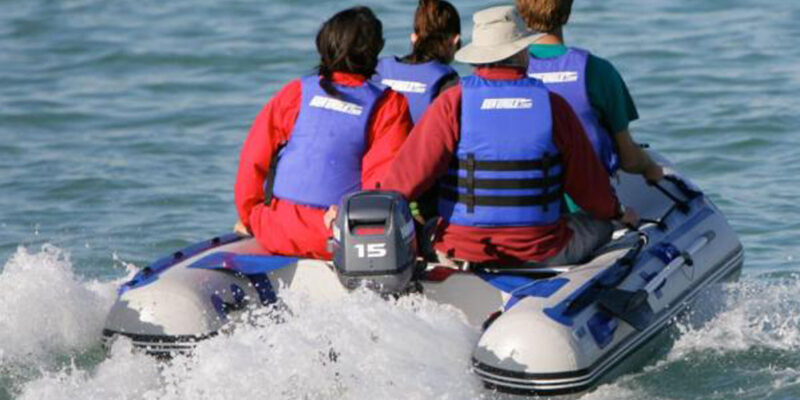
Sevylor inflatable kayaks are very well known for two reasons:
- They have been around for a long time and are sold at a lot of different places
- They tend to be fairly affordable
Sevylor in fact is one of the oldest manufacturers of inflatable kayaks and inflatable boats. In the past Sevylor kayaks have been considered “cheap” versions of a “real” kayak. The quality wasn’t considered anything great but they would get you and your family out on the water for an affordable price.
Over the years their inflatable kayak fleet has changed and is constantly improving. Although they are still not able to compete quality wise with the top inflatable kayak manufacturers such as NRS, AIRE, Sea Eagle, Airis, Innova, etc. they still continue to have great popularity. If you have considered purchasing a Sevylor inflatable kayak there are some pros and cons you should be aware of.
Sevylor Pros and Cons
Pro Sevylor Inflatable Kayaks and Inflatable Canoes
- The price tends to be good especially for those just starting out
- The majority of their models are fairly light weight and easy to transport and travel with
- They have a decent selection of different models and different types of kayaks
- They have a very popular and fun to paddle inflatable canoe – the Sevylor Colorado
- Sevylor is constantly working to improve their quality while continuing to offer affordable choices for the masses
- Their inflatable kayaks are great for recreational paddlers
- They have a good choice of sit-on-top inflatable kayaks
Against Sevylor Inflatable Kayaks and Inflatable Canoes
- Not specialized and will not excel in performance
- Quality is known to be lacking and consequently it will not last you as long as some other brands
- There have been issues with certain models leaking air
- The durability of the kayak material used in construction does not compare to other more reputable brands
- Some of the cheaper models have been known to get pushed around by the wind
Bottom line for Sevylor Inflatable Kayaks
The bottom line is that if you are just starting out and would like to try kayaking without investing a lot of money than a Sevylor inflatable kayak may be a good place to start. If however you plan to paddle for years to come then you may want to look at a higher end brand name.
The reviews are mixed as I have heard of many people who have been very happy with their Sevylor inflatable kayak and I have head of many others who would never buy one again.
I think the Sevylor models are great for kids, camping and just plain old recreational fun. In my opinion their biggest assets are
- the Sevylor Colorado which is extremely popular and a good quality inflatable canoe that works great for fishing, expeditions, day trips and camping
- and their sit-on-top inflatable kayaks which are extremely affordable and very fun to paddle on lakes and flat water.
Even though Sevylor inflatable kayaks may not be top of the line, one thing that is for sure is that they will continue to sell thousands of their inflatable boats to great people looking for a convenient and fun way to get out and enjoy the water!
See our Sevylor inflatable kayak reviews for more detailed information on each individual model.
Top 6 Boating Safety Tips
Proper boating safety is usually improved upon as you develop more boating experience. I think soaking up as much knowledge as you can before you head out on the water is the safest thing you can do in order to keep yourself, your passengers and your boat safe.
The below boating safety tips can be applied to any type of boat including kayaks, canoes, pontoon boats, fishing boats, rafts or power boats… be they inflatable or hard-shells.
6 Important Boating Safety Tips
These tips will make all your boating trips safe and happy ones. Be sure that all your passengers understand the rules as well.
- Make a point of learning about the legal requirements in your state or province. For example the legal age limit as well as the education requirements needed (if any).
- Take a safety course for the type of boating you will be doing. After you have taken the course you can practice on quiet waterways before taking on busier more congested areas.
- Always wear a PFD (personal flotation device) while on any type of watercraft. Make sure that all passengers within your boat are wearing a PFD including any animals.
- Never consume alcohol while operating a boat or before heading out to the water. We all know that even a small amount of alcohol can affect your decision making skills. This can especially be a problem if combined with the hot sun and dehydration.
- Keep a safe distance from all other boats and always be aware of what is in the water around you. Whether you are in a self-powered boat such as a kayak or a gas powered motor boat, be aware of your surroundings and steer clear of any other erratic drivers. If you are driving a power boat keep in mind that it takes a lot longer to stop than a motor vehicle does.
- Keep your passengers within the maximum occupancy number. Too many passengers equal definite problems. Boats allot a maximum passenger number for good reason.
Staying educated on boating safety is the best way to keep your outings on the water enjoyable and safe. If you are interested in getting an inflatable boat that is easy to store away, transport and fun to use please see our inflatable boat reviews for more information on the different options available.
Real Life Paddling Safety Precautions
Recently I read an article on our local news website in my hometown. Two men were paddling in their inflatable canoe (from the picture it looked like a really good quality one) on the very large Okanagan Lake in my area. They were training for a race that was taking place the following day that included running, cycling and paddling.
Experience made no Difference
These men were very experienced with kayaking and had a fair amount of experience paddling on this particular lake. They chose to paddle out to the center of the lake to make their way from one point to another.
Unfortunately high winds came up quite quickly and they found themselves practically paddling on the spot for almost half an hour.
They were having real troubles making any headway and the winds were getting stronger.
Strong waves were beginning to form and one big one tipped them right over. The winds quickly carried their inflatable canoe away from them and they couldn’t reach it to hold on.
Luckily for these two men they were both wearing their lifejackets at the time. Even with the lifejackets on they found the winds were too strong to try and swim against the currents to try and make it back to shore.
One of the men knew that the proper thing to do if in trouble is to try and lie on your back and hold your paddle up in the air… hopefully for someone to see that you are in trouble.
Luckily for these two someone did notice from a nearby bridge and called for help. Even luckier was that another person noticed who had a speed boat docked and he rushed out to help them as well as retrieve their canoe.
In that short period of time they were already suffering from mild hypothermia as the water was freezing cold. Both of them were quoted as saying that if they had not been wearing their PFD’s they would have drowned for sure as they simply could not keep swimming with the strong winds. They both also stated that had they not been wearing their PFD’s they didn’t think they would have been able to put them on in the water (if they were able to hang on to them when they were tipped over).
Important Safety Tips
The point of this post is not to scare you but simply to show how very quickly calm situations can suddenly change. It is so important not to underestimate the power of the weather as well as the water. Here are a couple of very important cautions to be aware of:
- When paddling in the water, if you are not absolutely sure of the weather conditions then stick close to shore. It is common knowledge that if winds pick up you do not want to be in the middle of a body of water as you will have no protection.One of the first things that kayak rental outfitters will tell you is to stick close to the shoreline. If you are caught out in the middle of a lake and the weather changes, you can often have real trouble.
- Always wear your PFD. This is a perfect example of what can happen if you are not wearing it. Weather patterns can change unexpectedly and if you have to struggle against the wind, it is not always possible to put it on at that point.Sometimes in that kind of situation if you stop paddling the wind will push your kayak far backwards. Even taking the few seconds to stop and put on your lifejacket can cause you to lose major ground.
- Also do not think that because you have your PFD on your lap or close to you that you will be able to grab it and put it on in the water should you tip. In an emergency situation, things don’t always go as you might think they will. No matter what your experience make sure all people and pets in your kayak are wearing their PFD’s.
Sometimes we all need a bit of a reminder as to how powerful the elements can be. So please folks remember to be safe, wear your PFD, and keep half-way close to the shoreline if at all possible. I have actually always found that paddling along the shoreline makes for much better sight-seeing anyway.
Find more important paddling safety tips and advice.